By Virtual Cost Segregation
The best cost segregation study provider for rental property investors
 Built to IRS standards
 Audit support includedFlat price for every study3 to 5 business days
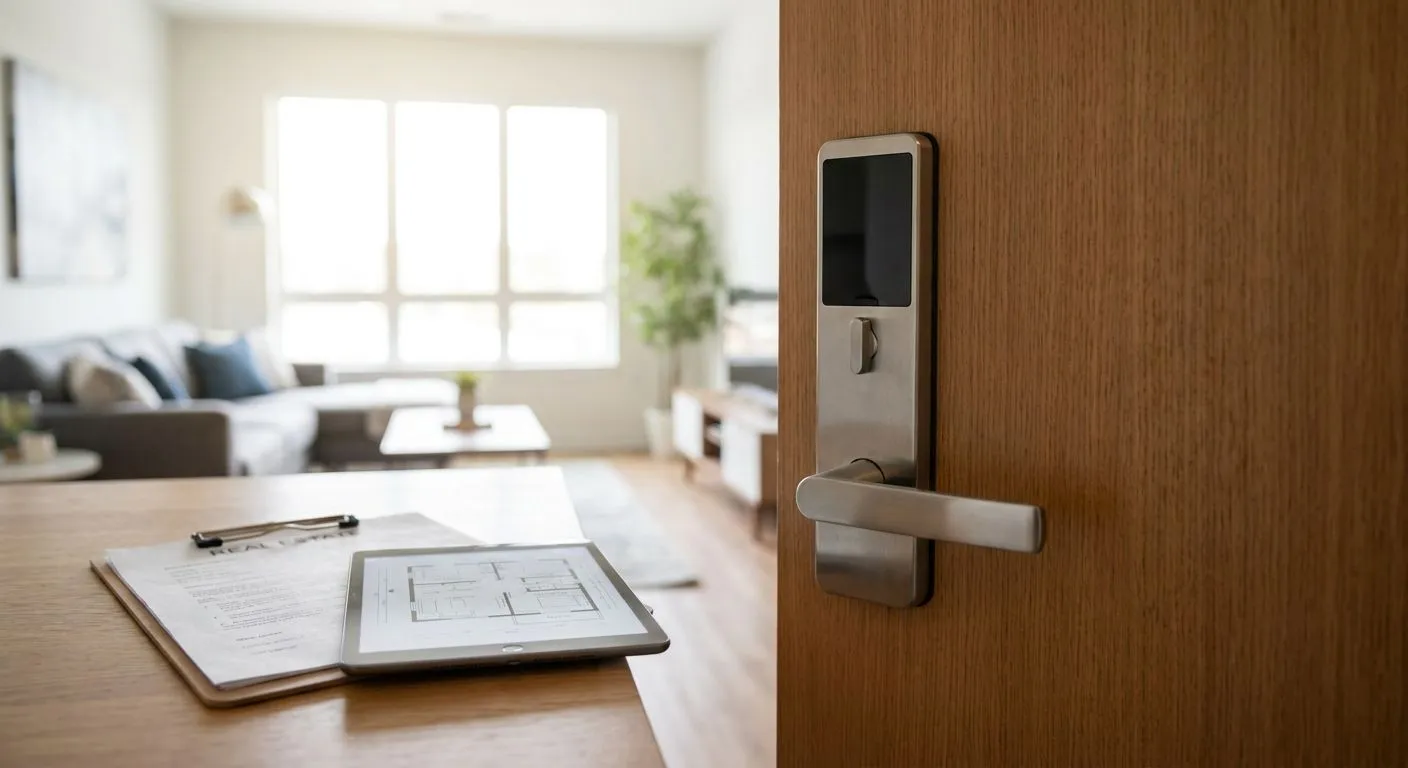
 Smart locks are typically reclassified from a rental property's 27.5-year depreciation schedule into 5-year personal property in a cost segregation study, provided they're retrofit units that bolt onto or replace existing door hardware rather than components wired into a central building system. That distinction, retrofit versus hardwired and integrated, matters more than the fact that a device is labeled "smart," and it's the first thing an engineer checks when preparing a residential cost segregation study in 2026.
- Retrofit smart locks generally qualify as 5-year property; hardwired access-control systems tied to whole-home automation often land at 5-7 years depending on integration.
- 100% bonus depreciation applies in 2026 to qualifying property acquired and placed in service after January 19, 2025 under the One Big Beautiful Bill Act.
- Classification for smart locks cost segregation on a rental property depends on removability, documentation, and whether the lock is part of the building's electrical system.
- Virtual Cost Segregation documents amenity-level assets like smart locks in its engineering-based reports without requiring a site visit.
Why This Matters
Keyless entry has become close to standard on short-term rentals. Guests expect a code or app-based lock instead of a lockbox, and owners install these units during furnishing or renovation right alongside the rest of the property's fixtures.
That timing matters. A cost segregation study for Airbnb and short-term rentals breaks the property into asset classes with different recovery periods, and a $150-$400 smart lock reclassified into 5-year property gets written off far faster than if it sat inside the building's 27.5-year bucket by default. For a W-2 earner using the short-term rental loophole to offset active income, correctly classifying small amenities like smart locks adds up across a full furnishing package.
The catch: not every smart lock automatically qualifies for the shorter life. Classification depends on installation type, function, and the documentation available when the study is prepared.
How Are Smart Locks Classified in a Cost Segregation Study?
An engineer reviewing a residential property looks at three things for any lock: is it removable without damaging the structure, is it wired into a broader building system, and does it serve a function distinct from the door itself. Those answers sort locks into different depreciation buckets.
| Lock Type | Typical Recovery Period | Bonus Depreciation Eligible in 2026 |
|---|---|---|
| Traditional keyed deadbolt (built into door) | 27.5 years, building component | No |
| Retrofit smart lock (battery-powered, bolts onto existing door) | 5-year property | Yes, if acquired and placed in service after January 19, 2025 |
| Hardwired smart lock tied into a whole-home security or access system | 5 to 7 year property, depends on system classification | Yes, if not integral to the building's electrical infrastructure |
The pattern holds across most short-life assets: the more a device can be removed or swapped without touching drywall or wiring, the stronger the case for 5-year treatment. The same logic applies to how security systems may be classified in a rental cost segregation study, where cameras and sensors face nearly identical questions about wiring and permanence.
Retrofit Smart Locks: 5-Year Property
A battery-powered smart deadbolt that replaces an existing lock cylinder without new wiring is the cleanest case. It's removable, it doesn't alter the building's structural or electrical systems, and it functions independently of the home's other components. These units typically get grouped with other short-life fixtures like cabinet hardware and window treatments at 5-year property.
Hardwired Access Control Systems: 5 to 7 Year Property
When a smart lock connects to a hub, runs on low-voltage wiring, or integrates with a broader home automation panel, classification gets more conditional. Some engineers treat the lock hardware itself as 5-year property while treating shared wiring or control panels as part of the electrical system with a longer life. The split depends on how the invoice itemizes labor and materials.
Traditional Deadbolts: 27.5-Year Building Component
A standard mechanical deadbolt installed as part of new construction or a full door replacement generally stays inside the building's 27.5-year residential rental life. There's no functional argument for a shorter recovery period on hardware that isn't distinct from the door assembly it came with.
Why Smart Lock Classification Varies
- Installation method: bolt-on retrofit units have a stronger case than units requiring electrical rework.
- Wiring dependency: hardwired locks tied into shared building systems can get pulled into a longer recovery period.
- Placed-in-service date: bonus depreciation eligibility in 2026 depends on when the asset went into service, not just its classification.
- Documentation quality: itemized invoices separating lock hardware from installation labor make the reclassification easier to support.
- Property type: the STR loophole applies to actively managed short-term rentals; classification rules for the locks themselves don't change between short-term and long-term residential rentals, but the surrounding tax strategy does.
- Study methodology: an engineering-based cost segregation study documents the functional basis for classification; a rule-of-thumb estimate often doesn't.
“The technology inside a lock doesn't change its depreciation life. How it's installed does.”
Owners preparing for a study should review how to identify short-life assets during a cost segregation study before their engineer starts, since flagging amenities like smart locks up front speeds up the review.
Do Smart Locks Qualify for Bonus Depreciation in 2026?
Smart locks qualify for 100% bonus depreciation in 2026 when they're classified as 5-year (or shorter) property and were acquired and placed in service after January 19, 2025, under the One Big Beautiful Bill Act. Property placed in service before that date follows the prior phase-down schedule, so the placed-in-service date matters as much as the classification itself.
Are Smart Locks Personal Property or Real Property?
Smart locks are generally treated as personal property, not real property, when they're removable and functionally separate from the building's structural components. A hardwired lock folded into a whole-home electrical system is the exception where an engineer may treat part of the cost as a building component instead.
How Much Can a Smart Lock Add to My Cost Segregation Savings?
A single smart lock adds a modest dollar amount on its own, since unit costs run in the low hundreds, but the effect compounds when it's grouped with the rest of a property's short-life fixtures. Reclassifying a bundle of amenities, locks, lighting, flooring accents, and appliances often moves 20-45% of a residential rental's cost basis into faster depreciation categories, and each properly documented item adds to that total.
A cost segregation study for Airbnb and short-term rentals accounts for these smaller assets alongside larger ones like flooring, cabinetry, and outdoor structures. Virtual Cost Segregation prepares these engineering-based reports without a site visit, using photos, invoices, and property records to document each asset class, smart locks included.
Reviewing the top 10 factors that can increase bonus depreciation on a rental property shows where amenity-level assets like locks fit into the bigger picture of a study's total reclassified percentage.
Get Your Rental Property Assessed
Engineering-based studies covering every short-life asset, delivered without a site visit.
FAQ
What recovery period do smart locks get in a cost segregation study?
Retrofit smart locks typically get a 5-year recovery period, while hardwired units tied into a whole-home system can run 5 to 7 years depending on how the invoice separates hardware from wiring.
Are smart locks eligible for 100% bonus depreciation in 2026?
Smart locks classified as 5-year property are eligible for 100% bonus depreciation in 2026 when acquired and placed in service after January 19, 2025 under the One Big Beautiful Bill Act.
Do smart locks qualify differently for Airbnb versus long-term rentals?
No, the lock's classification depends on installation type, not property use. The tax strategy around the smart lock loophole and material participation applies to short-term rentals, but the lock itself is classified the same way in either case.
Can I claim a smart lock as a repair instead of a capital asset?
A smart lock purchased and installed as a new asset is typically capitalized, not expensed as a repair, since it adds a new function rather than restoring an existing one to working condition.
Does a hardwired smart lock reduce my building's basis?
Reclassifying a hardwired smart lock's hardware moves that portion of cost out of the 27.5-year building basis and into a shorter-life category, but only the portion an engineer can document as distinct from the building's electrical system.
Is a smart lock still eligible if installed after the property was placed in service?
Yes, a smart lock installed after the rental was placed in service is generally depreciated based on its own placed-in-service date, separate from the building's original depreciation schedule.
How does documentation affect smart lock classification?
Itemized invoices that separate lock hardware, labor, and any wiring make it easier for an engineer to support a shorter recovery period; bundled invoices without that detail often default the cost to the building's longer life.
One Last Thing
The biggest mistake owners make with smart locks isn't misclassifying them, it's leaving them off the asset list entirely because the cost feels too small to matter. On its own, a $200 lock isn't going to move the needle. Grouped with every other overlooked amenity across a furnished short-term rental, keyless entry pads, smart thermostats, outdoor cameras, those small items regularly add up to a noticeable share of a property's reclassified basis in 2026. Keep the receipts separate from your general renovation invoice, and hand them to whoever prepares your study.