By Virtual Cost Segregation
The best cost segregation study provider for rental property investors
 Built to IRS standards
 Audit support includedFlat price for every study3 to 5 business days
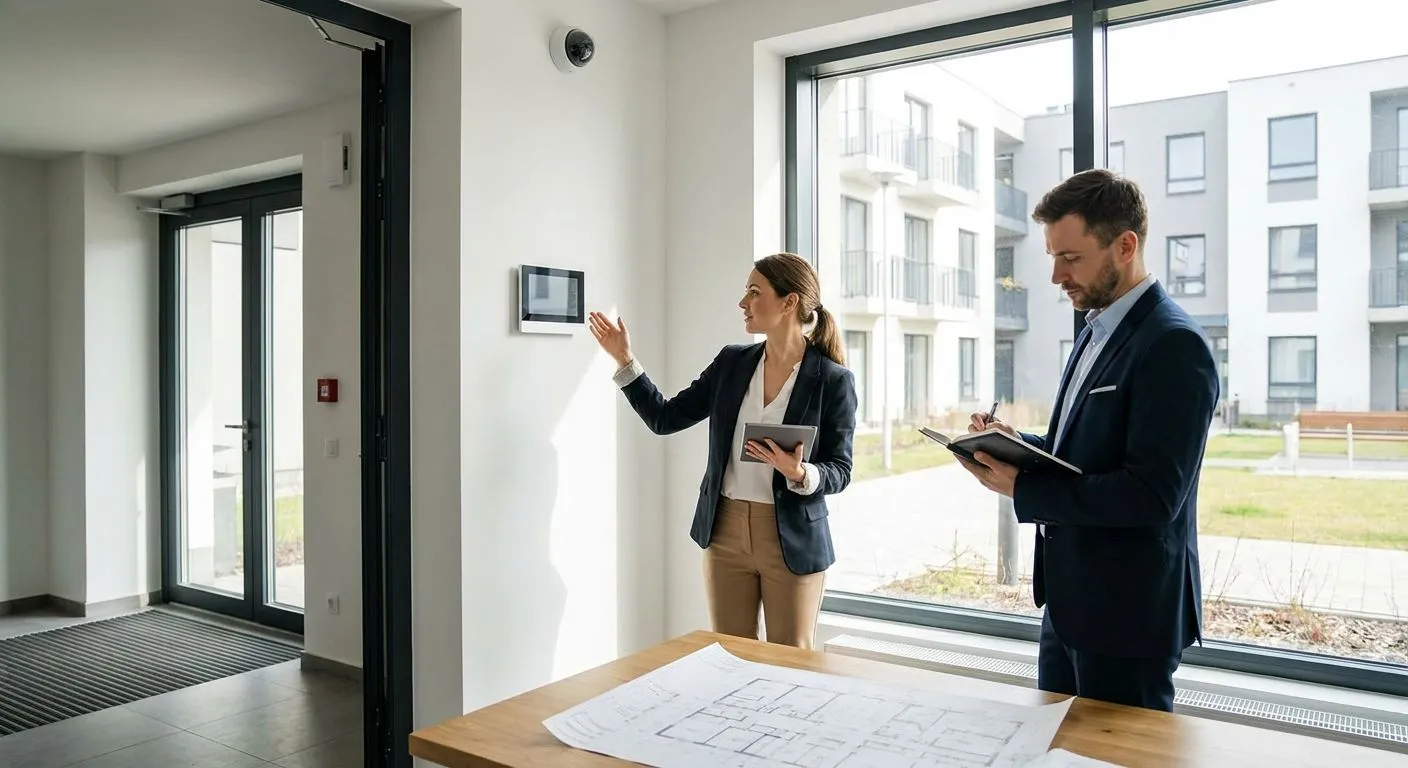
 Security system components in a residential rental cost segregation study typically split across three recovery periods: 5-year personal property for freestanding equipment like cameras and control panels, 15-year land improvements for site-based access and perimeter systems, and 27.5-year real property for wiring embedded in the building's structure. Classification runs component by component, not system by system, so one security setup can generate assets in all three buckets on the same 2026 return.
- Security systems in a rental cost segregation study split across 5-year, 15-year, and 27.5-year categories based on how each part is installed.
- Freestanding cameras and control panels often qualify as 5-year personal property; embedded wiring usually stays at 27.5 years.
- Bonus depreciation runs at 100% for qualifying property acquired and placed in service after January 19, 2025 under the OBBBA.
- Virtual Cost Segregation documents each component's function and integration method in its residential cost segregation reports.
Why this matters
Security systems are one of the line items most often mishandled in low-cost or DIY cost segregation work heading into 2026. Lump the whole system into one bucket and you either overstate short-life property, which is an audit red flag, or you leave depreciation sitting in the 27.5-year category where it does the least good for a short-term rental owner trying to offset W-2 income.
The fix is not complicated. Every security component gets evaluated on its own for how it's attached, what it does, and whether it can be removed without touching the building's structure. This is the same short-life asset identification process applied to appliances, flooring, and furnishings in any residential rental cost segregation study.
How are security systems classified in a rental cost segregation study?
Here's the typical breakdown engineers apply, though the final call always depends on the specific installation and documentation available for the property.
| Component | Typical classification | Recovery period | Why |
|---|---|---|---|
| Alarm control panel / keypad | Personal property | 5-year | Freestanding, plugged in, not part of building structure |
| Exterior cameras (non-integrated) | Personal property | 5-year | Mounted but removable without damage to the structure |
| Access wiring embedded in walls | Real property | 27.5-year | Runs through structural components, part of the building |
| Gate or perimeter sensor systems | Land improvement | 15-year | Function relates to the land, not the building interior |
| Smart locks (battery-powered) | Personal property | 5-year | Removable hardware, not structural |
Notice the pattern: the equipment you could unscrew and take with you tends toward 5-year property. The wiring buried in the walls tends to stay with the 27.5-year building. Anything tied to the yard, driveway, or perimeter tends to land in the 15-year bucket.
Freestanding Cameras and Control Panels: 5-Year Property
Cameras, keypads, and control panels that sit on a shelf or mount to a wall without altering the structure typically qualify as tangible personal property under Section 1245. The test isn't whether the item looks permanent, it's whether removing it damages the building or just leaves a screw hole.
This matters for short-term rental owners because 5-year property, along with any other asset with a recovery period of 20 years or less, is eligible for bonus depreciation. At 100% for property acquired and placed in service after January 19, 2025 under the One Big Beautiful Bill Act, that means the full cost of a qualifying camera or panel can be deducted the same year it's placed in service, subject to the taxpayer's own facts and how the item is documented.
Embedded Wiring and Structural Conduit: 27.5-Year Real Property
Wiring that runs through wall cavities, conduit fastened into framing, and junction boxes built into the structure generally stay classified as part of the building. Residential rental real property depreciates over 27.5 years, and components that are physically integrated into that structure don't get pulled out just because they support a security function.
This is the piece DIY calculators and rule-of-thumb studies tend to get wrong. They see "security system" and assign one blanket recovery period to the whole thing, when the wiring and the equipment it connects to often belong in different categories entirely.
Perimeter and Site-Based Security Infrastructure: 15-Year Land Improvements
Gate arms, driveway sensors, exterior security lighting tied to the perimeter, and fencing with integrated sensors typically classify as land improvements. Land improvements depreciate over 15 years, and because that recovery period is under 20 years, this category also qualifies for bonus depreciation under Section 168(k).
For a vacation rental with a gated entry or a fenced perimeter, this category can carry more value than owners expect. It's worth reviewing the full HVAC classification breakdown for a comparable example of how one "system" splits across multiple recovery periods in the same study.
Why security system classification varies
- Integration method. Hardwired into walls versus plug-and-play changes everything about the classification call.
- Function. Access control tied to a specific door reads differently than a perimeter sensor tied to the land.
- Documentation. Itemized invoices that separate equipment cost from installation labor make the classification defensible.
- Placed-in-service date. Property acquired and placed in service after January 19, 2025 gets 100% bonus depreciation under the OBBBA; timing before that date changes the math for the 2026 tax year.
- Property type. An actively managed short-term rental supports a different depreciation strategy than a long-term buy-and-hold rental, even with identical hardware.
- Engineering review. A qualified cost segregation study applies documented criteria to each component instead of a single label for the whole system.
Get Your Security System Assets Classified
An engineering-based study documents each component so your CPA can apply it with confidence.
Do security cameras qualify for bonus depreciation?
Security cameras classified as 5-year personal property qualify for 100% bonus depreciation when acquired and placed in service after January 19, 2025 under the OBBBA. That means the full cost can be deducted in the year the rental is placed in service, subject to the taxpayer's own facts and how the study documents the equipment.
Is a home security system a land improvement or a building component?
A home security system is often both at once. Wiring embedded in the walls usually stays classified as part of the 27.5-year building, while gate sensors and perimeter equipment tied to the land classify as 15-year land improvements.
Does a smart lock count as personal property in a cost segregation study?
A smart lock that's battery-powered and simply mounted to an existing door typically classifies as 5-year personal property because it's removable without altering the building's structure. The final classification still depends on how the unit is documented during the study.
FAQ
How are security systems classified in cost segregation for rental property?
Security system components typically split across 5-year personal property, 15-year land improvements, and 27.5-year real property depending on how each part is installed and what it does. A single system often generates assets in more than one category.
Do security cameras qualify for bonus depreciation in 2026?
Yes, security cameras classified as 5-year personal property qualify for 100% bonus depreciation when acquired and placed in service after January 19, 2025 under the OBBBA, so long as they're properly documented in the study.
Is wiring for a security system part of the building or personal property?
Wiring embedded in walls or conduit fastened into the framing usually stays classified as part of the 27.5-year building, even when the panel it connects to is personal property.
Do gate sensors and perimeter security count as land improvements?
Gate arms, driveway sensors, and perimeter lighting tied to security typically classify as 15-year land improvements, which also qualify for bonus depreciation because the recovery period is under 20 years.
Does a smart lock qualify for accelerated depreciation?
A battery-powered smart lock that's simply mounted to an existing door typically classifies as 5-year personal property, making it eligible for bonus depreciation, subject to how the study documents the unit.
Can a low-cost cost segregation study misclassify a security system?
Yes, rule-of-thumb or low-cost studies often assign one blanket recovery period to an entire security system instead of reviewing each component, which can overstate or understate short-life property.
Does a short-term rental's security system affect the STR loophole?
The security system itself doesn't change STR loophole eligibility, which depends on material participation and average guest stay length, but its depreciation still adds to the deductions available against W-2 income in 2026.
Is a site visit required to classify a security system for cost segregation?
No, a security system's classification can be documented from photos, invoices, and specifications without a site visit, which is how Virtual Cost Segregation delivers reports on residential rental properties.
One last thing
The IRS Cost Segregation Audit Technique Guide singles out security and life-safety systems as commonly misclassified assets, because examiners expect wiring embedded in the walls to stay with the building even when the panel it connects to is personal property. Heading into 2026, that distinction between the wiring and the equipment is exactly where a rushed or low-cost study tends to cut corners, and exactly where an engineering-based residential cost segregation study earns its keep.