By Virtual Cost Segregation
The best cost segregation study provider for rental property investors
 Built to IRS standards
 Audit support includedFlat price for every study3 to 5 business days
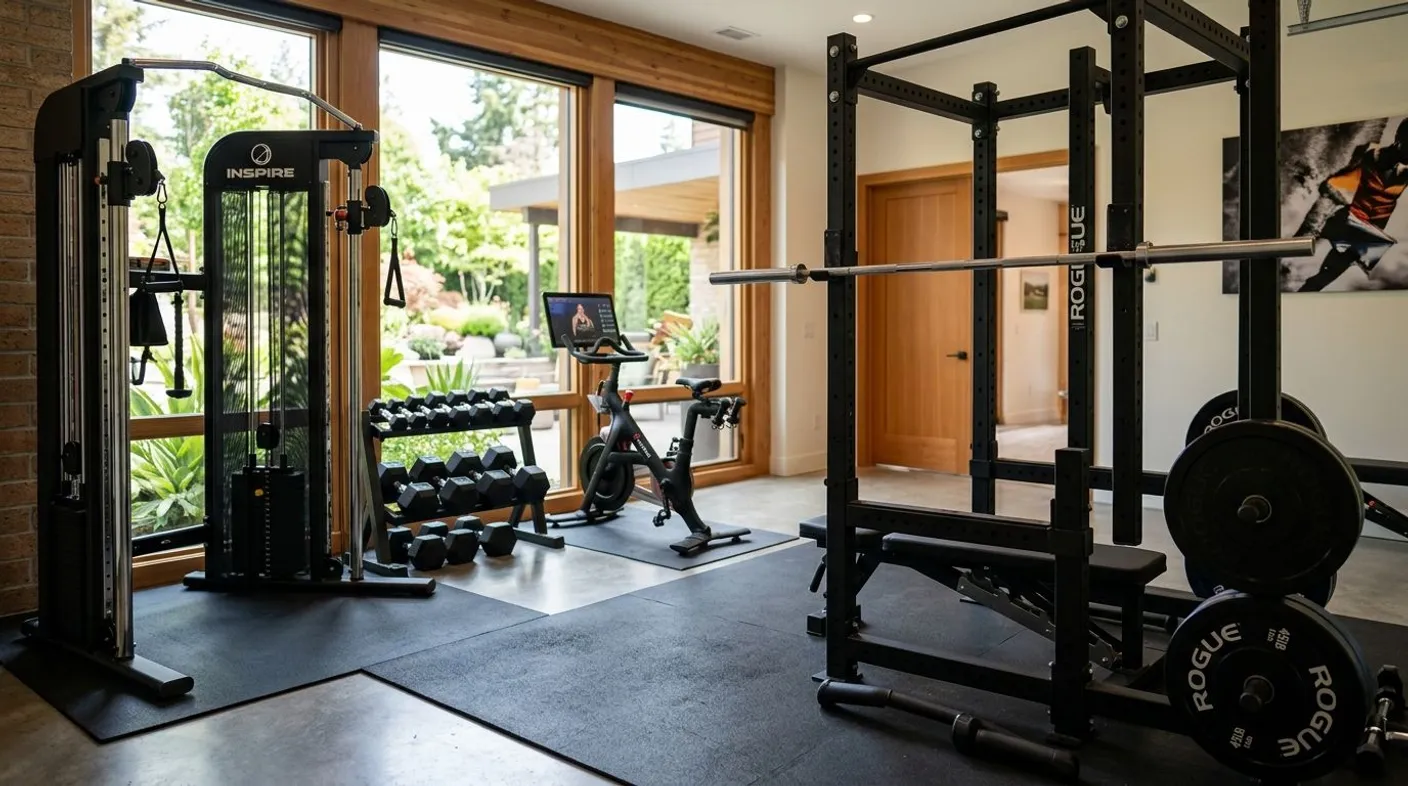
 Airbnb home gym upgrades, from mirrored walls to mounted cardio equipment, get evaluated asset-by-asset in a cost segregation study, not lumped into the building's 27.5-year residential life as a single expense. For short-term rental owners who added a gym to raise nightly rates and guest reviews, the cost segregation benefits of Airbnb home gyms come from correctly splitting equipment, flooring, and electrical work into the shortest recovery periods the facts support. Classification depends on how each component is installed, documented, and placed in service, not on the fact that it sits inside a "gym."
- Cost segregation benefits of Airbnb home gyms come from separating equipment, flooring, and mirrors into distinct assets instead of one lump sum.
- Mounted racks, cardio machines, and glued rubber flooring may qualify for 5-year or 7-year recovery periods depending on installation method.
- 100% bonus depreciation applies in 2026 to qualifying components acquired and placed in service after January 19, 2025 under the OBBBA.
- Virtual Cost Segregation documents each home gym asset with an engineering-based study so classification holds up under IRS review.
- A DIY spreadsheet estimate of gym equipment rarely survives audit without invoices tied to placed-in-service dates.
Why cost segregation matters for Airbnb home gym owners
Hosts who build out a home gym usually do it to compete for higher nightly rates in markets where amenities move bookings. That capital gets spent in stages: flooring first, then racks and machines, sometimes a mirror wall months later. Each of those purchases has its own invoice and its own placed-in-service date, which matters because cost segregation and bonus depreciation for short-term rentals hinges on timing as much as classification.
High W-2 earners using the short-term rental loophole have an added reason to get this right. The gym is often the amenity that pushes a listing into a higher rate tier, and the depreciation tied to it is real money against active income, provided the property and the owner's participation meet the loophole's tests. A gym that increases occupancy also increases the paper trail examiners expect to see if the return gets a second look in 2026 or later.
Inventory every home gym asset separately
Start with a line-item list before you think about a study. This step costs nothing and it is the single biggest driver of accuracy later.
- Rubber or foam flooring, listed separately from subfloor or slab work
- Wall mirrors and their mounting hardware
- Squat racks, cable machines, and other bolted equipment
- Freestanding cardio machines (treadmills, bikes, rowers)
- Dedicated electrical circuits or outlets added for equipment
- Ventilation or mini-split units installed specifically for the gym space
- Water fountain, mini fridge, or sound system if added to the room
Separate structural components from personal property
The IRS distinction that decides recovery period is whether an item is a structural component of the building or personal property that happens to sit inside it. A mirror glued directly to drywall reads differently than one mounted on a removable frame, and the same logic applies to flooring, wiring, and built-in shelving. How to identify short-life assets during a cost segregation study walks through the tests engineers use for exactly this kind of judgment call.
- Check whether flooring is glued, floating, or permanently poured
- Confirm whether mirrors and racks are bolted to studs or freestanding
- Note whether wiring runs to a dedicated circuit or taps an existing one
- Flag any built-in shelving, cabinetry, or benches added during construction
- Separate HVAC work that serves the whole unit from equipment installed only for the gym
None of these categories are guaranteed a specific life. Classification, recovery period, and bonus eligibility depend on the asset's function, how it was installed, when it was placed in service, and the documentation you can produce.
Document acquisition dates and costs
A cost segregation report is only as strong as the paper behind it. Loose invoices and undated photos slow down a study and weaken it in front of an examiner.
- Keep contractor invoices separate from equipment retailer receipts
- Record the exact date each item was installed and available for guest use
- Photograph the gym space before and after each addition
- Save any permits pulled for electrical or structural work
- Note whether items were purchased new or used, since bonus depreciation rules apply differently to used property acquired from an unrelated party
Apply the material participation test if you're using the STR loophole
If the property qualifies for the short-term rental loophole, the depreciation from a home gym addition only offsets W-2 income when you also meet the material participation standard. The STR loophole explained for W-2 earners covers the participation tests in detail, but the gym itself creates specific documentation needs.
- Log hours spent researching, purchasing, and setting up gym equipment
- Track time spent on guest communication specific to the amenity
- Keep this log separate from general property management hours
- Note any tasks delegated to a property manager, since those hours generally don't count toward your participation
Order an engineering-based cost segregation study
Once the inventory and documentation exist, a manual allocation only goes so far. This is where an engineering-based study earns its keep: it applies IRS-recognized methods to assign recovery periods component by component instead of applying a flat percentage to the whole gym build-out.
Virtual Cost Segregation builds these reports without a site visit, using contractor invoices, photos, and property records to support each classification. The report functions as the audit-defensible documentation your CPA needs, not a guess dressed up as a deduction.
Get your home gym assets classified
Flat-fee, engineering-based reports built for residential short-term rentals.
Reconcile the report with your CPA on Form 4562
The report does not file itself. Your CPA applies it to the return, and the gym line items need the same scrutiny as everything else in the study.
- Confirm which gym assets landed in 5-year, 7-year, or 15-year categories
- Verify the bonus depreciation election matches your CPA's overall tax strategy
- Ask whether any gym equipment purchased used still qualifies for bonus depreciation
- Check that the placed-in-service dates on the report match your actual invoices
Track subsequent additions to the gym space
Hosts rarely stop at one round of equipment. A rack added eighteen months later, or a flooring replacement after wear from guest use, needs its own treatment.
- Log new equipment purchases with the same invoice and date discipline
- Consider a partial asset disposition if you remove and replace flooring or fixtures
- Decide with your CPA whether new additions need a study update or fit into existing depreciation schedules
Comparing your options for a home gym cost segregation study
| Option | Best for | Pricing model | Key limitation |
|---|---|---|---|
| DIY spreadsheet allocation | Owners testing a rough estimate before committing | No cost, your time only | No engineering support behind classifications; weak in an audit |
| National firm, percentage-based fee | Larger portfolios where fee scales with property value | Fee tied to a percentage of reclassified value | Cost rises with property value regardless of gym complexity |
| Low-cost or rule-of-thumb study | Owners who only want a rough percentage split | Flat but generic pricing | Uses industry averages instead of asset-specific documentation |
| Virtual Cost Segregation engineering-based study | Residential STR owners who need audit-ready documentation | Flat fee, no percentage scaling | Residential rental properties only, no commercial studies |
Virtual Cost Segregation is built for residential short-term rental owners who want an engineering-based, audit-defensible classification of amenities like a home gym, not a percentage guess.
“A mirror glued to drywall and a mirror on a removable frame do not depreciate the same way, and the installation method decides that, not the label on the room.”
Common mistakes Airbnb home gym owners make
- Treating the entire gym build-out as one lump sum. Flooring, equipment, and electrical work each have different classification potential and lumping them together forfeits the split.
- Assuming every piece of equipment automatically gets a 5-year life. Function and installation method decide this, not the fact that it's exercise gear.
- Losing receipts for equipment purchased separately from the contractor invoice. Retailer receipts for machines and racks need to be kept distinct from construction costs.
- Skipping the material participation log when using the STR loophole. Depreciation from the gym addition does nothing for W-2 income if participation isn't documented.
- Ordering a study before the placed-in-service date is settled. A gym finished mid-renovation with an unclear completion date creates timing problems for bonus depreciation eligibility.
FAQ
Do Airbnb home gym renovations qualify for bonus depreciation?
Some components may qualify for bonus depreciation depending on their classification, installation method, and placed-in-service date, but this isn't automatic for the entire renovation. An engineering-based cost segregation study determines which specific assets, such as flooring or mounted equipment, land in a recovery period eligible for bonus depreciation.
How is rubber gym flooring classified in a cost segregation study?
Rubber flooring is evaluated based on how it's installed, whether glued, floating, or part of a poured slab, which affects whether it's treated as a structural component or personal property. There's no default answer; documentation of the installation method drives the classification.
Can gym equipment like racks and mirrors be depreciated faster than the building?
Freestanding or removable equipment often has shorter depreciation potential than the building's 27.5-year residential life, but bolted or built-in items may be treated differently. The distinction comes down to whether the item functions as part of the structure or as separate personal property.
Does adding a home gym affect eligibility for the STR loophole?
Adding a home gym doesn't change loophole eligibility on its own; the loophole depends on average guest stay length and your material participation hours. The gym addition can, however, increase the depreciation available once you qualify.
What percentage of a home gym's cost typically gets reclassified?
Reclassification percentages vary by property and can't be assumed for a specific project without a study. As a general planning example, cost segregation studies often reclassify a meaningful share of a residential rental's basis into shorter recovery periods, though actual results depend entirely on the property's components.
Is an engineering-based study necessary for a small home gym addition?
A small addition can still benefit from an engineering-based study if the components involved (flooring, wiring, mounted equipment) are documented well enough to support separate classification. The size of the gym matters less than the quality of the invoices and installation records behind it.
How does 100% bonus depreciation in 2026 apply to home gym assets?
Property acquired and placed in service after January 19, 2025 qualifies for 100% bonus depreciation under the One Big Beautiful Bill Act, applied to whichever gym components land in a recovery period under 20 years. The placed-in-service date for each specific asset, not the overall renovation, is what controls eligibility.
Should a CPA or the cost segregation firm decide the gym's final classification?
The cost segregation study documents the engineering-based classification, and the CPA applies that documentation on the tax return, typically through Form 4562. The two roles are separate: the study supports the numbers, the CPA files them.
One last thing
The gym mirror wall is usually the item owners assume is a slam-dunk short-life asset, and it's also the one that gets challenged most often. If it's glued flat to drywall with no mounting frame, documentation tends to push it toward the building's real property life rather than a shorter category, regardless of how the room is used. The fix is deciding installation method before the contractor starts, not after the study arrives.