
By Virtual Cost Segregation
The best cost segregation study provider for rental property investors
 Built to IRS standards
 Audit support includedFlat price for every study3 to 5 business days
Yes, a property manager can coordinate and order a cost segregation study for you when you authorize the purchase and the provider accepts that arrangement. Your manager handles the administrative work; you approve the engagement, and your CPA determines how the study applies to your tax return.
- Can a property manager order a cost segregation study? Yes, with owner authorization and provider acceptance.
- Virtual Cost Segregation provides residential rental studies; your CPA applies the report when filing.
- A manager's involvement does not establish your material participation or eligibility to offset W-2 income.
- Keep purchase authorization, property records, and tax decisions separate throughout the cost segregation process.
Can a property manager order a cost segregation study for you?
A property manager can act as your administrative coordinator, but management authority and purchasing authority are not automatically the same. Check your management agreement and the study provider's engagement requirements before anyone places an order.
For residential rental owners considering Virtual Cost Segregation, confirm who will approve the engagement, supply documents, and receive the report before purchasing. Do not assume routine permission to arrange repairs also authorizes a separate tax-planning engagement.
Use this sequence for a manager-coordinated study in 2026:
- Confirm authority. Review the management agreement and give written approval for the study purchase and relevant document sharing.
- Identify the taxpayer. Give the provider the correct owner or entity name, property address, and contact information. The manager's company is not substituted for the property owner.
- Involve your CPA. Ask your CPA to review the property's basis, prior depreciation, rental use, and intended filing year before the order proceeds.
- Assign document collection. Have the manager gather operational records while you and your CPA supply acquisition and tax records.
- Confirm delivery. Specify who receives the report, who answers property questions, and who resolves tax questions.
- Approve implementation. Have your CPA review and apply the study rather than treating the manager's receipt of the report as completion of the tax work.
Why this matters
Delegating the order does not delegate the tax decision. A property manager knows the rental's operations, but that knowledge does not establish your depreciable basis, loss limitations, or filing treatment.
The distinction matters especially when you expect accelerated depreciation to reduce taxes on other income. A completed study identifies depreciation classifications; it does not establish that you can currently deduct every resulting loss.
For a 2026 engagement, make the handoff explicit: the owner authorizes, the manager coordinates, the study provider prepares the report, and the CPA applies current law to the owner's facts.
Who should handle each part of the study?
The best coordinator depends on where the records sit. A manager-led process works well for property information, while owner involvement remains necessary for purchase approval and access to tax records.
| Coordination approach | Best for | Main advantage | Main limitation |
|---|---|---|---|
| Owner-led | Owners who hold the purchase and improvement records | Direct control over approvals and document sharing | You handle follow-up and file collection |
| Manager-led | Owners whose managers maintain detailed property records | Centralizes operational questions and invoices | The manager still needs owner authorization and CPA input |
| CPA-led | Owners with existing depreciation schedules or filing questions | Connects the study to tax implementation early | The CPA still needs property records from you or your manager |
These are coordination choices, not different tax treatments. Choosing a manager-led order does not change the underlying asset classifications or make the manager responsible for preparing your return.
The strongest arrangement assigns a named contact to each responsibility. Avoid a shared inbox where everyone assumes someone else supplied the closing statement or approved the final owner information.
What authorization should you give your property manager?
Give your manager written instructions that identify the property, the requested service, and the scope of permission. Ask the provider whether it requires you to sign the engagement yourself or accepts an authorized manager's signature.
Your instructions should address:
- Purchase approval: Whether the manager can place the order or only request information.
- Document sharing: Which property records the manager can send and to whom.
- Payment approval: Who approves payment and how the transaction enters your books.
- Report delivery: Whether both you and your CPA receive the completed report.
- Question routing: Who answers operational questions and who approves tax-related information.
Do not give broader access than the project requires. Your manager can send renovation invoices without receiving your entire personal tax return.
If the property is held in an entity, confirm that the person authorizing the engagement has authority to act for that entity. Ownership details should match the records your CPA uses, not simply the name displayed on a rental listing.
What documents can your manager gather?
A manager's contribution is strongest where records describe what exists at the property and when work occurred. Ask for source documents, not just a spreadsheet total labeled improvements.
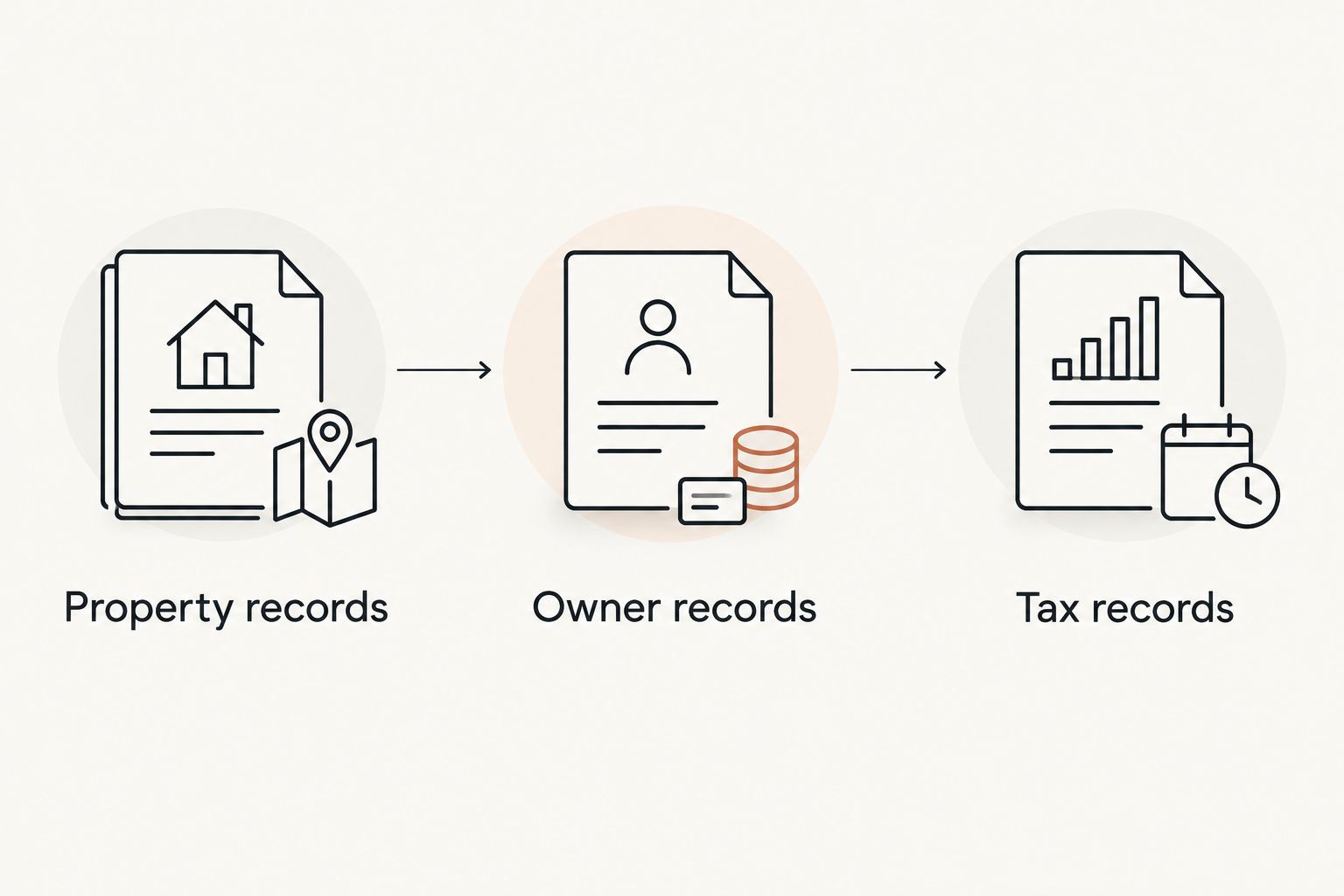
Property records
Your manager can assemble available photographs, floor plans, maintenance histories, contractor invoices, and renovation descriptions. Records should distinguish installed assets from routine operating expenses and identify the location and function of improvements.
For amenities and equipment, retain information about installation, use, and associated work. Classification and recovery periods depend on the asset's function, documentation, placed-in-service date, and your facts; an amenity name alone does not settle its treatment.
Owner records
You should supply the purchase agreement, closing statement, ownership information, and acquisition history. Tell your CPA about personal use, conversions to rental use, and separately purchased furnishings.
A manager's onboarding date is not necessarily the property's placed-in-service date. Likewise, the date you ordered the study is not the acquisition date.
Tax records
Your CPA should reconcile prior depreciation schedules, capitalized improvements, and relevant tax elections. This step prevents the new report from being entered as though previously depreciated assets were newly purchased.
The cleanest handoff separates collection from review: your manager gathers operational evidence, you confirm ownership facts, and your CPA reconciles the tax records.
Why manager-coordinated studies vary
The amount of coordination depends on the property and the records, not merely on whether a manager places the order. Resolve these factors before setting a filing timetable:
- Management scope: A full-service manager and a booking-only co-host hold different records and purchasing permissions.
- Document completeness: Itemized invoices explain work more clearly than bank transactions without descriptions.
- Ownership structure: Entity ownership requires consistent taxpayer information throughout the engagement.
- Property history: Renovations, personal use, and earlier depreciation require additional reconciliation.
- CPA involvement: Early review identifies filing questions before report delivery rather than afterward.
- Filing timing: Your CPA needs time to review the completed study and implement the appropriate treatment.
For a 2026 return, work backward from your CPA's filing timetable. Study preparation and tax-return preparation are separate tasks, so ask each party what remains outstanding instead of relying on a single completion date.
Does using a property manager prevent an STR W-2 offset?
Using a property manager does not automatically prevent a short-term rental loss from offsetting W-2 income, but ordering a study does not establish eligibility. Your CPA must evaluate the rental activity and your participation separately.
The commonly discussed short-term rental approach requires an average guest stay of 7 days or less and material participation. One material participation test requires more than 100 hours of your participation and more participation than any other individual, including a property manager; 100 hours alone is not enough.
Keep records of your own work and obtain information about other individuals' participation when relevant to the test your CPA evaluates. A management contract describes assigned duties, but it does not establish the hours actually worked by each person.
This approach does not require real estate professional status. Other limitations still affect whether a loss is currently deductible, so do not reduce estimated payments based solely on a manager's projected study benefit.
How should you evaluate the expense before authorizing an order?
Evaluate the study and tax implementation together. Your manager can collect engagement terms, but your CPA should assess whether accelerated deductions fit your income, existing losses, and expected ownership period.
Comparing cost segregation study costs requires separating report preparation from CPA implementation and identifying the documentation and audit support included in the engagement. A quoted study expense alone does not establish the project's after-tax value.
Virtual Cost Segregation is best for residential rental owners seeking an engineering-based cost segregation report for their own CPA to apply. Its studies serve properties with 1 to 4 units, require no site visit, and are delivered in 3 to 5 business days. Audit support is included: if the IRS questions your study, we respond at no additional cost.
The limitation is equally clear: Virtual Cost Segregation is not a CPA service, and the study is not filed with the IRS. Your CPA applies the supplementary report when preparing your return; audit support is separate from tax-return preparation.
Request a manual savings estimate before authorizing a purchase if you need an initial assessment. Treat that estimate as a planning figure, not a promised tax outcome.
What should your CPA check before using the report?
Your CPA should check the report against the property's basis, existing depreciation schedule, asset use, and applicable elections. The manager's document package supports that review but does not replace it.
Cost segregation identifies qualifying components with shorter recovery periods, including 5-, 7-, and 15-year property where appropriate. The building structure itself does not qualify for bonus depreciation, and land is not depreciable.
For 2026 planning, eligibility depends on the relevant acquisition and placed-in-service facts, not the date the manager buys the study. Keep both dates in the handoff package, along with purchase contracts and records of when the rental became ready and available for use.
If you have owned the rental for years, a look-back study requires a separate implementation discussion. Missed depreciation is claimed on the current return through Form 3115 and a Section 481(a) adjustment; prior returns are not amended for that catch-up. Your CPA evaluates the applicable accounting-method procedures and files the form.
Use the client-to-CPA handoff checklist to organize the report and supporting records. Keep the manager involved for factual property questions, while directing tax treatment questions to your CPA.
FAQ
Can my property manager sign the cost segregation engagement for me?
Your property manager can sign only when authorized to do so and when the provider accepts that arrangement. Check your management agreement and confirm the provider's signature requirements before ordering.
Do I need to involve my CPA before my manager orders a study?
Involve your CPA before authorizing the order so the study fits your property's basis, depreciation history, and filing plan. Your CPA, not your manager, determines the tax implementation.
Does hiring a property manager mean I cannot materially participate?
Hiring a property manager does not automatically prevent material participation. Under one common test, you must participate more than 100 hours and more than any other individual, including the manager; your CPA must evaluate your facts.
Can my manager use a study to offset my W-2 income?
Your manager cannot establish a W-2 offset by ordering a study. The short-term rental approach requires an average guest stay of 7 days or less, material participation, and review of other applicable tax limitations.
Does the manager send the cost segregation report to the IRS?
The cost segregation report is not itself filed with the IRS. Your CPA uses the report to apply the appropriate depreciation treatment and prepare required tax forms.
Can a manager coordinate a study for a rental I have owned for years?
A manager can coordinate a look-back study with your authorization and the provider's acceptance. Your CPA handles missed depreciation on the current return through Form 3115 and a Section 481(a) adjustment rather than amending prior returns.
Who should keep the final report and supporting documents?
You should retain the final report and supporting records, and your CPA should receive the implementation package. Do not rely on continued access to your manager's account after a management relationship ends.
One last thing
Make record ownership part of the authorization. A manager can coordinate the entire order while the final report still needs to reach you directly.
Before closing the project, save the engagement, source documents, completed study, and CPA correspondence in storage you control. Changing property managers should not interrupt access to the records supporting your depreciation deductions.
This article provides general educational guidance for residential rental owners and tax professionals, not individualized tax advice. Apply current law to your facts with your CPA.