Maximize tax savings
on every rental property
Engineering-based cost segregation studies that unlock
your property's maximum tax deduction.
We’re on it!
A cost segregation specialist is reviewing your property and will email your estimated tax savings soon.

Study snapshot
4%
reclassified
1.0x
tax savings
See what's possible with cost segregation
Studies typically reclassify 20% to 45% of a rental property's value for tax savings
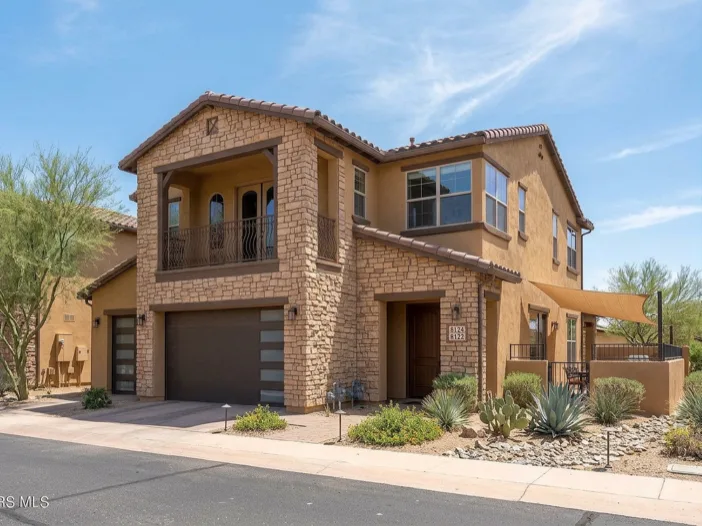
Duplex in Scottsdale, AZ
Two-unit rental property
Purchase price
$1,430,000
Year 1 tax deduction
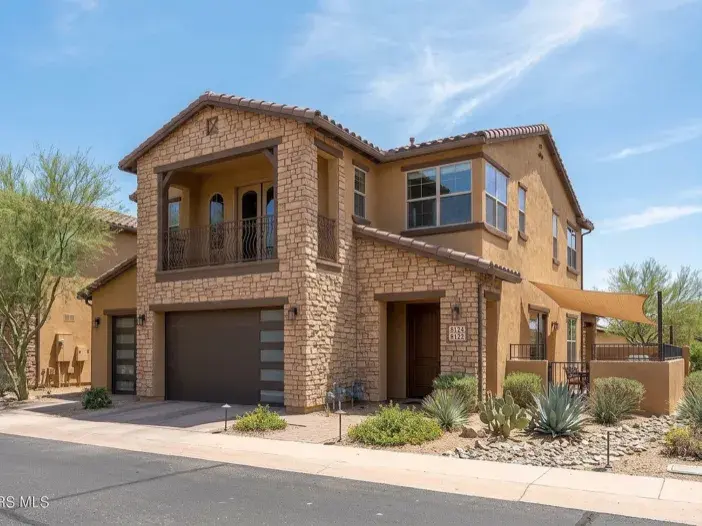
Duplex in Scottsdale, AZ
Two-unit rental property
Purchase price
$1,430,000
Year 1 tax deduction
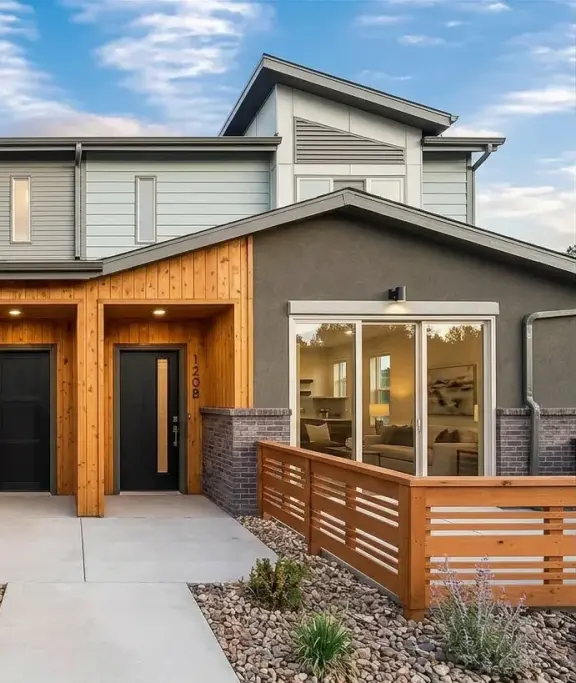
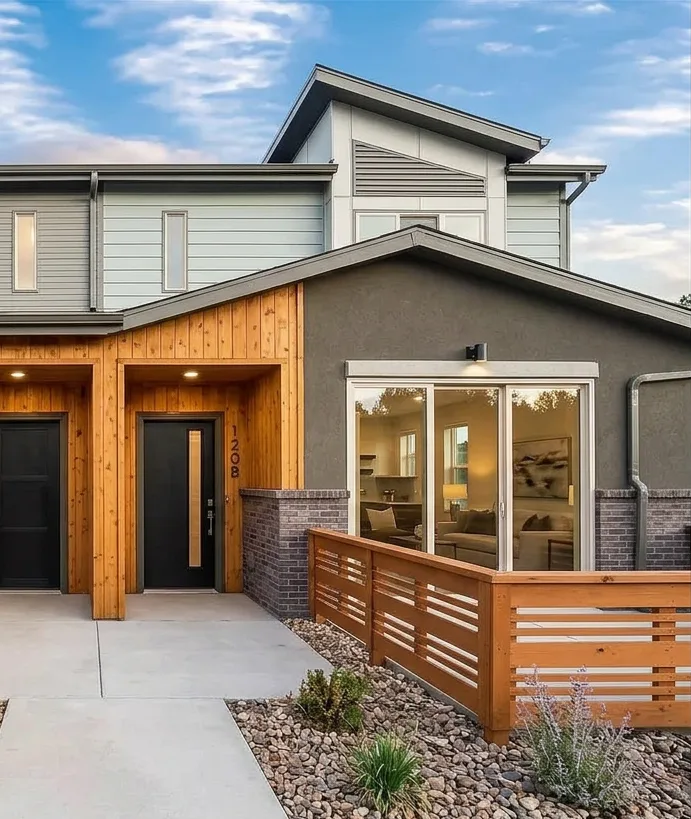
Townhome in Arvada, CO
Short-term rental on Airbnb
Purchase price
$612,500
Year 1 tax deduction
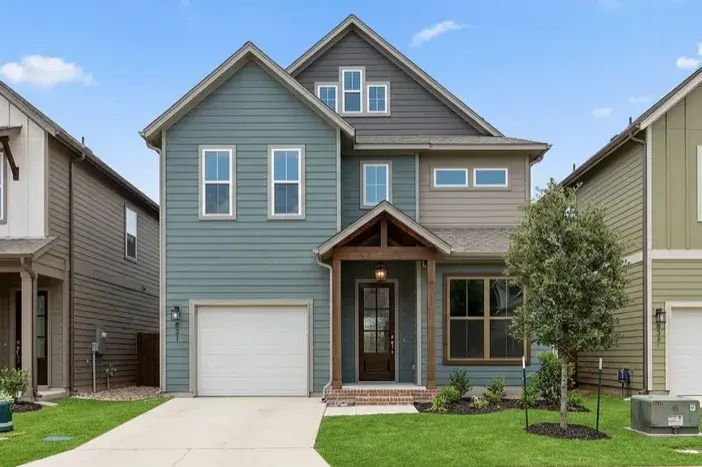
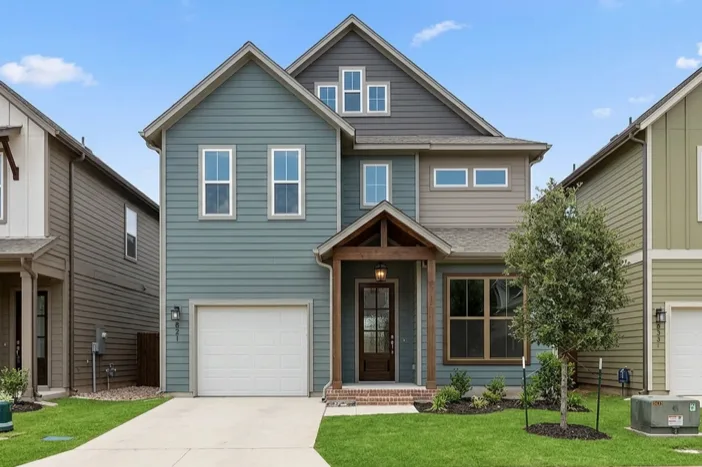
Home in Arvada, CO
Long-term residential rental
Purchase price
$455,000
Year 1 tax deduction
Examples based on typical study results. Individual results may vary.
The tax study that pays for itself
Trusted by professional real estate operators for decades,
now practical for everyone with our virtual study.

Here's everything you need:
- Purchase price: $340,000
- Listing link with photos
- Appraisal document

Completely virtual
Our IRS-compliant engineering-based studies use documents and photos you already have, removing unnecessary costs and making cost segregation affordable for any property.
5 year 1 year depreciation
$34,500
15 year 1 year depreciation
$23,000
27.5 year depreciation
$172,500
Year 1
tax deduction
$63,773
Bonus depreciation is back
Claim the 100% of cost-segregated assets like furniture, appliances, flooring, and landscaping in year one. For some investors, this tax strategy offsets W-2 income.
Offset W-2 income with bonus depreciationContents
 Audit-ready documentation
 Built for your CPA
We include audit-defensible documentation and audit support that you won't get from DIY studies, non-engineers, or overseas contractors

Full audit support included
We stand behind every study we deliver. If the IRS questions your study, we respond at no additional cost, with the documentation and methodology to back every number.
See what Audit Support coversEngineering you can verify
Don't settle for just any "engineering-based" study.
We name every cost source and show the work.

Cited sources
Every price is supported by real database sources, including RSMeans, Craftsman, Price Search, and Siteworks.

Localized costs
Sales tax, contractor overhead, and construction costs are scaled to your area, with disclosed calculations and references.
Itemized and cross-referenced
Every component is listed individually, with its quantity, cost source, and valuation, and tied to the photo that documents it.

Built to IRS standards
Our reports are built to the IRS's Audit Technique Guide specifications for a quality study.
We show our work on every report
| Description | Quantity | Cost Source | RCNLD |
|---|---|---|---|
| Kitchen renovation refrigerator | 1 each | RSMeans | $1,302.85 |
| Medicine cabinet | 1 each | RSMeans | $177.77 |
| Mounted drapery panels | 3 each | Price Search | $280.02 |
| Kitchen cabinetry | 32 linear feet | RSMeans | $19,886.51 |
| Kitchen countertops | 52 square feet | RSMeans | $4,883.19 |
| Kitchen dedicated gas hookup | 1 each | Siteworks | $230.11 |
| Kitchen gas range/oven | 1 each | RSMeans | $728.88 |
| Kitchen range electrical hookup | 1 each | Craftsman | $160.14 |
| Kitchen refrigerator | 1 each | RSMeans | $952.17 |
Start your study
Cost segregation studies for residential investment property and short-term rentals.
Itemized asset schedule
Every component is listed with quantity, cost source, and valuation
Full depreciation schedule
Year by year MACRS depreciation schedule
CPA-ready executive summary
Formatted for your CPA to work from at filing
Delivered in 3 to 5 business days
Submit your documents and get your completed report
No fees. Taxes included.
3 or more properties? 10% off every study
Still have questions? Get in touch
Included at no extra cost
While other firms keep up-charging, we focus on quality service at one inclusive price.
-
Audit support
If the IRS questions your study, we respond at no additional cost. What Audit Support covers
Included
-

Renovation invoices
Send us your invoices and construction documents for even more deductions.
Included
-

Form 3115 catch-up
Bought in a previous year? Catch up on missed depreciation without amending prior returns.
Included
-

Tax assessment record search
No appraisal? We pull the county tax assessor’s record to source your land value.
Included
-

Revisions
Forgot a document? Send it within one week of receiving your study and we revise it.
Included
How we compare
With other firms, you'll pay more upfront, or in hidden costs later.
| Feature | Our study | Traditional firms | DIY & budget tools |
|---|---|---|---|
| Price | $2,200 flat, published | Quote-based sales process, often $5,000+ | Low, but self-service |
| Who does the work | US-based team of engineers | Engineers | DIY, AI, or foreign contractors |
| Turnaround | 3 to 5 business days | 4 to 8 weeks | Instant |
| Site visit | Completely virtual | Sometimes required | None |
| Documentation | Every component, with its cost source | Full report | Summary only |
| Audit support | Included, no additional cost | Varies | Pay for engineering support, often $7,000+ |
Price
- Our study
- $2,200 flat, published
- Traditional firms
- Quote-based sales process, often $5,000+
- DIY & budget tools
- Low, but self-service
Who does the work
- Our study
- US-based team of engineers
- Traditional firms
- Engineers
- DIY & budget tools
- DIY, AI, or foreign contractors
Turnaround
- Our study
- 3 to 5 business days
- Traditional firms
- 4 to 8 weeks
- DIY & budget tools
- Instant
Site visit
- Our study
- Completely virtual
- Traditional firms
- Sometimes required
- DIY & budget tools
- None
Documentation
- Our study
- Every component, with its cost source
- Traditional firms
- Full report
- DIY & budget tools
- Summary only
Audit support
- Our study
- Included, no additional cost
- Traditional firms
- Varies
- DIY & budget tools
- Pay for engineering support, often $7,000+
Frequently asked questions
Everything you need to know about cost segregation studies.
How does a virtual cost segregation study work?
No site visit required, and the IRS doesn't mandate one. Our US-based engineers complete your study from property photos, purchase documents, and building records. These are the same inputs used in a traditional study. You upload your documents, we handle the analysis, and you receive a complete engineering report in 3 to 5 business days. No scheduling, no travel, no delays.
How long does a cost segregation study take?
Your completed study is delivered in 3 to 5 business days. Traditional firms often take 4 to 8 weeks. Once you purchase and upload your documents, our engineers begin analysis immediately. You'll receive a complete engineering report, formatted and ready for your CPA to use on your return.
What documents do I need to start a cost segregation study?
Not many, and we collect them by email after you book. First, a few details: the name or legal entity on the deed, whether it's a short-term or long-term rental, the date you placed it in service, whether you bought it furnished, and the tax year for the study (and whether you need a Form 3115). Then the documents: a closing document showing the purchase price and date (HUD-1, ALTA, or similar), the appraisal and inspection report from closing if you have them, and photos, ideally from the original listing or your Airbnb page, though recent photos work as a backup. No appraisal? We pull the county tax assessor's record. If you've renovated, add your invoices or receipts, the scope of work from your contract if you have one, and after photos.
Does a home inspection report help with a cost segregation study?
It does, more than most people expect. Photos show us what's in the property; an inspection report tells us what it is. Inspection reports typically list appliance and equipment makes, models, ages, and conditions, detail that photos alone don't capture. That lets us itemize more components individually instead of grouping them together, which moves more of your property's basis into shorter depreciation classes. It's not required, but if you have one from your purchase, it's the easiest way to get more out of your study.
What if I forget to send a document or photo?
It happens, and it doesn't cost you anything. If you realize after delivery that you're missing an invoice, a set of photos, or another document that could change your study, send it over within a week of receiving your study and we'll revise it at no additional cost. This comes up most often with renovations, where a contractor invoice surfaces after the fact, or with older purchases, where paperwork takes time to track down. We'd rather you send it late than not at all.
Does cost segregation increase my risk of an IRS audit?
Cost segregation is an IRS-recognized strategy with its own published Audit Technique Guide. When it's done right, using engineering-based methodology, proper documentation, and applicable law citations, it's a defensible position, not a red flag. Every study we deliver is built to that standard. And if the IRS ever asks questions, we provide full audit support at no additional cost.
What is bonus depreciation?
Bonus depreciation lets you deduct the full cost of qualifying short-life assets in the year a property is placed in service, rather than spreading deductions over decades. The One Big Beautiful Bill Act, signed July 4, 2025, restored 100% bonus depreciation for qualified property acquired and placed in service after January 19, 2025. A cost segregation study identifies which components of your property qualify, so you can claim the maximum deduction upfront.
When should I get a cost segregation study?
The best time is the year you place your property in service. That's when you capture the full benefit of bonus depreciation. A change in use, such as converting a primary residence to a rental, is another ideal trigger. But those aren't the only situations. If you already own investment property and never had a study done, you can still catch up on missed deductions. Your CPA can help determine the best timing for your specific tax situation.
Can I do a cost segregation study on a property I bought years ago?
Yes. This is called a look-back study. If you've owned a rental property for years and never had a cost segregation study done, you haven't missed your chance. We provide Form 3115 on request, the form your CPA files to claim the missed depreciation as a single adjustment on this year's return, with no need to amend prior-year filings. Your property doesn't need to be newly purchased. It just needs to be in service as a rental.
What is the minimum property value to make a cost segregation study worth it?
There's no hard rule, but the question is always return on investment. At $2,200 flat, the math works at lower property values than it does with firms charging $5,000 to $15,000. As a general guide, properties valued at $200,000 or more typically produce enough reclassifiable assets to pay for the study many times over in year one. Get a free estimate to see the numbers for your specific property.
How much can I save with a cost segregation study?
Results vary by property, but industry averages show that 20 to 45 percent of a property's value is typically reclassifiable to shorter depreciation schedules. These are assets that can be expensed far faster than the structure itself. At a flat fee of $2,200, most property owners recover the study cost in year one through tax savings alone. Your CPA can give you a precise estimate based on your situation.
How is the land value determined in my cost segregation study?
Land isn't depreciable, so separating its value from the building is the first and most consequential step in your study. It's also the number an IRS examiner is most likely to test. We use your closing appraisal when you have one, since it's direct evidence of value. If you don't, we pull the county tax assessor's record and apply its land-to-total ratio to your purchase price. Either way, your report shows which source we used, so the number is never a rule of thumb.
What property types qualify for a cost segregation study?
Any residential investment property used for rental or business purposes can qualify, including single-family rentals, multifamily buildings, condominiums, townhomes, and short-term rentals. The property must be held for business or investment use, not as a primary personal residence. If you're unsure whether your property qualifies, a free estimate is a fast way to find out before you commit.
Can I use cost segregation to offset my W-2 income with an Airbnb or short-term rental?
Short-term rentals with an average guest stay of 7 days or less are treated differently than long-term rentals under the tax code. If you materially participate in your STR, the IRS may classify it as a non-passive activity. That means losses can potentially offset your ordinary W-2 income. Cost segregation accelerates those losses significantly. How this applies to your situation depends on your specific circumstances. Your CPA confirms eligibility; we provide the study they need to act on it. Read more about how the STR loophole works.
What does my CPA do with the cost segregation study?
Your CPA uses the study to update your depreciation schedules, apply bonus depreciation elections, and file Form 3115 to claim prior years in one shot if you're catching up on a property you already own. Our reports are formatted to be CPA-ready. If your accountant has questions about the analysis, we're available to support them directly at no additional cost.
Do you offer discounts for multiple properties or portfolios?
Yes, and the rate is published. Study 3 or more properties and every study is 10% off, $1,980 per property instead of $2,200. Each property still gets its own complete report; you get one invoice and one point of contact. See portfolio pricing. Have an unusual mix? Tell us about the portfolio.
Most investors wait decades.
You don't have to.
Get a head start on savings with our cost segregation study.